Bottle Vector Typography: Vintage Charm for Modern Designers
There's a distinct personality that comes with vintage-inspired lettering. It carries a sense of history, craftsmanship, and authenticity that modern, minimalist fonts sometimes struggle to convey. This is the appeal of a design style rooted in the aesthetics of old apothecary labels, classic soda branding, and hand-painted signage. It’s a style that feels both familiar and full of character, making it a powerful tool in a designer's toolkit. When you find a resource that captures this essence and is ready for immediate application, it can significantly streamline your creative process, especially for projects that need to make an immediate impact.
More Than Just a Font: A Visual Language
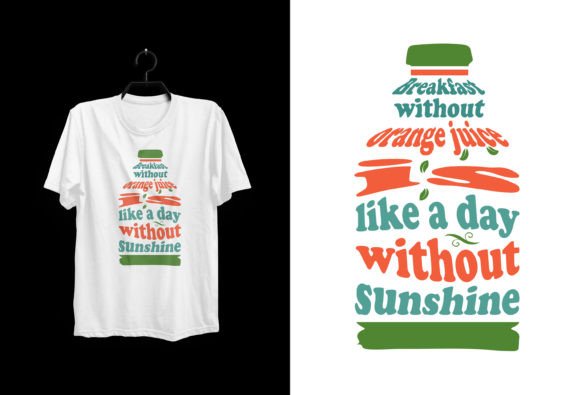
The Bottle Vector Typography T-shirt Design isn't a traditional typeface you install on your computer. Think of it instead as a complete, ready-to-use design asset. It’s a vector illustration of letterforms arranged to create a specific, stylized word or phrase—in this case, "Bottle." The visual style is what sets it apart: it combines the boldness of a display font with the intricate detailing of vintage label art. You might see subtle distressing, elegant swashes, or decorative borders that evoke a specific era or trade. This makes it a hybrid tool, blending typography with illustrative art.
This approach is incredibly practical for several reasons. First, it delivers an instant aesthetic. You don't need to spend hours crafting a custom logo from scratch or searching for the perfect font pairing. The design is cohesive out of the box. Second, as a vector file, it offers infinite scalability. Whether you're placing it on a business card or a billboard, the lines remain crisp and clear. This is fundamental for maintaining a professional presentation across all your brand identity materials.
Unlocking Creative Applications Across Projects
The true value of a versatile design asset like this lies in its range of uses. Its vintage, artisanal vibe makes it particularly well-suited for brands and projects that want to communicate authenticity, tradition, or handcrafted quality.
For Branding and Logo Design: A logo is the cornerstone of visual identity. Using this vector typography can instantly give a brand a distinctive, memorable mark. It works exceptionally well for businesses in the craft beverage space (breweries, coffee roasters, soda shops), artisanal food products, vintage clothing lines, barbershops, or any service that prides itself on old-school quality. The design acts as a premium font solution that is both unique and expressive.
For Packaging and Labels: This is perhaps its most natural application. The style directly references the world of product labeling. Imagine this design on a bottle label for a small-batch hot sauce, on packaging for handmade soaps, or on the box for a gourmet chocolate bar. It immediately tells a story about the product's heritage and care, enhancing shelf appeal and aiding brand recognition.
For Merchandise and Apparel: As the name suggests, it’s perfect for T-shirt design. But its use extends to tote bags, hats, posters, and stickers. For entrepreneurs running a Print on Demand store, having a library of such high-quality, ready-to-print graphics is a game-changer. It allows you to create compelling products quickly without a deep investment in illustration software or skills.
For Digital and Print Marketing: Don’t limit its use to physical products. This typography can elevate your social media graphics, making posts and stories stand out in a crowded feed. It can add character to a website header, create engaging visuals for a blog, or serve as a striking headline for a digital newsletter. In editorial design, it can be used for chapter headings or pull quotes in a magazine or lookbook. For event promotion, it makes for captivating posters and invitations.
Practical Advice for Effective Implementation
While having a beautiful design asset is half the battle, using it effectively requires some thoughtful consideration. Here’s how to integrate it seamlessly into your projects.
Context is Key: Always consider the overall project goal. This vintage style communicates specific values. Pair it with complementary elements—perhaps a clean sans serif font for body text, rustic textures, or a muted color palette—to reinforce the intended message. A mismatched, overly modern layout can clash and dilute its impact.
Focus on Readability: Highly decorative designs are best used for headlines, logos, or short phrases. Avoid using intricate vector typography for long paragraphs of body copy where readability is paramount. Its strength is in grabbing attention and conveying style, not in sustained reading.
Leverage the File Formats: Understanding the provided files is crucial. The Eps file is your editable master. If you have vector software like Adobe Illustrator or the free Inkscape, you can customize colors, resize elements, or even isolate parts of the design to use separately. The Pdf file is your print-ready workhorse. It preserves the design's integrity and is perfect for sending directly to a printer or for use in document layouts. The Png file, with its transparent background, is ideal for digital use—layering it over photos, placing it on websites, or using it in social media posts without a cumbersome white box around it.
Commercial Considerations: Most resources like this come with a license that allows for commercial use, but it’s always your responsibility to review the terms. Understand what you can and cannot do, such as selling the standalone design file itself versus selling products featuring the design. A clear license provides peace of mind for your creative projects and business endeavors.
A Foundation for Distinctive Visuals
In a landscape saturated with generic templates, a design with genuine character can be your differentiator. The Bottle Vector Typography offers a shortcut to achieving a sophisticated, curated look that resonates with audiences seeking authenticity. It’s a practical solution that bridges the gap between custom illustration and stock assets, providing both aesthetic appeal and functional flexibility. By thoughtfully applying it to your branding, packaging, web design, or marketing materials, you create a cohesive and engaging visual narrative that feels both intentional and inspired.