Cool Waves: Mastering the Art of Swimming T-shirt Design
There is a specific vibe that comes with a great summer collection. It’s the feeling of sun on your shoulders, the smell of chlorine, or the sound of crashing waves. For designers, entrepreneurs, and print-on-demand creators, capturing that feeling in a wearable format is the ultimate goal. You aren't just selling a piece of cotton or polyester blend; you are selling a mood, a memory, and a lifestyle. That is why the asset you choose for your Swimming T-shirt Design matters more than the fabric itself. It is the visual hook that stops a customer mid-scroll and makes them say, "That is exactly what I need for my next vacation."
If you are currently building a shop or curating a collection of design assets, you know that the difference between an amateur graphic and a professional product lies in the versatility of the file. When you invest in a high-quality graphic, you aren't just buying a static image; you are buying a tool that adapts to your workflow. The best resources come with a suite of file types—EPS for total creative control, PDF for high-fidelity printing, and PNG for seamless layering—ensuring that your vision translates perfectly from screen to fabric. Let’s dive into how to make the most of these assets and create swimwear graphics that truly resonate with your audience.
Capturing the Aquatic Aesthetic
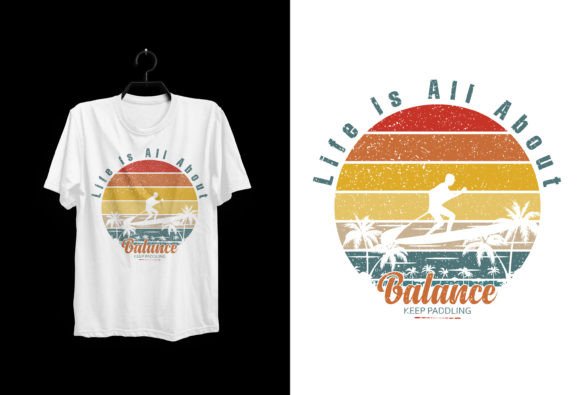
When we talk about a Swimming T-shirt Design, we are discussing a broad spectrum of visual styles. It could be a retro-inspired typography piece featuring distressed lettering that looks like it has been washed a hundred times. It could be a minimalist line art illustration of a swimmer cutting through the water, or perhaps a vibrant, tropical pattern filled with palm leaves and flamingos. The visual appeal lies in the energy of the design. Water is dynamic, and your design needs to reflect that movement.
For those working with vector files (like an EPS format), you have the freedom to manipulate these aesthetics to fit specific branding needs. Vector scalability means you can take a small icon meant for a chest pocket and blow it up for a back-print graphic without losing a single pixel of quality. This is crucial for visual consistency. Whether you are printing on a tank top or a hoodie, the lines remain crisp. Consider the texture of the design. A flat, single-color vector is easy to screen print, while a complex, multi-layered illustration might be better suited for Direct-to-Garment (DTG) printing. Understanding these technical nuances allows you to design with the end product in mind, ensuring the final garment looks as good in person as it does on your mockup.
Versatility Across Merchandise and Marketing
A great graphic is rarely a one-trick pony. While the primary goal might be apparel, the utility of a premium Swimming T-shirt Design extends far beyond the t-shirt itself. As a creative entrepreneur, you should be thinking about how to maximize the value of every asset you acquire. This is where having access to transparent PNG files becomes a game-changer for your brand identity.
Imagine you have a striking graphic of a diver or a stylized wave. With a high-resolution, background-free PNG, you can instantly repurpose that asset for:
- Social Media Graphics: Place the graphic over a photo of a beach to create an Instagram Story or a Facebook ad. It creates visual cohesion across your marketing channels.
- Packaging Design: If you sell physical products like sunscreen, sunglasses, or swim trunks, incorporating elements of your main design onto the box or hang-tag elevates the unboxing experience.
- Digital Products: Use the graphic as an element in a digital planner, a desktop wallpaper, or a sticker pack for messaging apps.
- Logo Design: Sometimes, a specific element within a larger design—perhaps a stylized palm tree or a vintage swimmer—can be isolated and used as a standalone icon for your brand logo.
This approach to creative font and imagery usage ensures that your brand looks professional. It tells your customers that you pay attention to details. When your website header matches the aesthetic of your merchandise, and your social media posts utilize the same high-quality graphics, you build a cohesive world that customers want to be a part of. It’s not just about selling a shirt; it’s about selling a brand experience.
Matching Typography to the Vibe
Often, a swimming design isn't just an illustration; it involves text. "Surf Squad," "Poolside Vibes," or "Swim Team '24" are common phrases that accompany these graphics. Choosing the right typeface to pair with your imagery is a critical step in editorial design and merchandising. You wouldn't pair a delicate, elegant script font with a bold, blocky, athletic graphic. The mismatch confuses the viewer and dilutes the message.
For a Swimming T-shirt Design, consider the personality of the project:
- Retro & Vintage: If your design has a 70s or 80s surf vibe, look for serif fonts with high contrast or sans serif fonts with rounded edges and wide stances. These mimic the typography of that era.
- Modern & Minimalist: If your swimmer graphic is clean and geometric, pair it with a clean, geometric modern typography style. Think wide letter spacing and thin lines.
- Handwritten & Fun: If the vibe is a summer camp or a family reunion, a handwritten font or script font adds a personal, human touch that feels inviting and casual.
Don't be afraid to mix and match. A common technique in web design and print is to use a bold display font for the main headline (like "SWIM") and a clean sans-serif for the sub-text (like "Team Est. 2023"). Testing these pairings on your mockups before finalizing the design can save you a lot of revision time later.
Practical Workflow: From EPS to Final Print
One of the biggest hurdles for new Print on Demand sellers is file management. You have a great idea, but the printer rejects the file because the resolution is too low or the background isn't removed. This is why the "What You'll Get" list is so important when sourcing your design assets.
When you work with a professional asset package, you typically receive an EPS file. This is your master file. It is fully editable in software like Adobe Illustrator. You can change the color of the waves to match a specific brand palette or rearrange elements to fit a different product shape. It offers infinite flexibility.
Next, you have the PDF file. For many, this is the "set it and forget it" option. It is ready for print. If you are sending your design to a professional printer for a high-volume run, or if you are creating a physical proof, the PDF ensures that the vectors remain intact and the colors are defined correctly. It removes the hesitation of "will this print well?"
Finally, the PNG file is the workhorse of the e-commerce world. Because it comes without a background, it is ready to be uploaded directly into mockup generators or layered onto product photos. It saves you hours of tedious masking and clipping path work. For a busy entrepreneur managing multiple product lines, this efficiency is priceless. It allows you to focus on audience engagement and marketing rather than pixel-pushing.
Building a Brand Around the Water
Ultimately, the goal of using a specialized Swimming T-shirt Design is to carve out a niche in a crowded market. Generic designs get lost in the noise. Specific, high-quality, and thematic designs attract a dedicated following. Think about who your customer is. Are they competitive swimmers? Casual vacationers? Families going to the lake?
Each of these audiences requires a different visual language. A competitive swimmer might appreciate a design that emphasizes strength and speed, utilizing sharp angles and bold display fonts. A vacationer might prefer something whimsical and tropical, utilizing bright colors and flowing script fonts.
By utilizing the full range of files provided—vectors for customization, PDFs for quality assurance, and PNGs for versatility—you position yourself to serve these distinct audiences effectively. You can create a cohesive collection of merchandise that feels curated and intentional. This level of professionalism builds trust, and in the world of e-commerce, trust is the currency that converts a browser into a buyer. So, take that asset, customize it to fit your vision, and get ready to make a splash in the market.